Europe
-
England
Seal Pups Of Norfolk
New life to photograph along Norfolk’s wild coast


Seal Pups Of Norfolk
New life to photograph along Norfolk’s wild coast

Seal Pups Of Norfolk
New life to photograph along Norfolk’s wild coast

Location:
England

Group Size:
3 (min 2)

Nights in
England
:
3

Cost:
from £725

Single:
Please Ask
COST

from £725
MAX GROUP

3 (min 2)
LOCATION

England
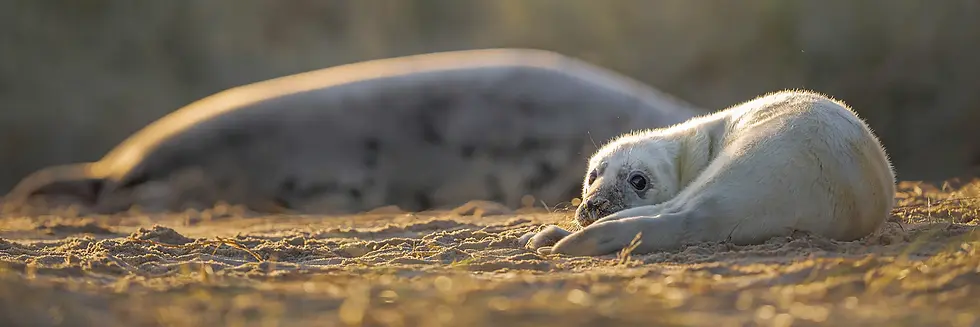
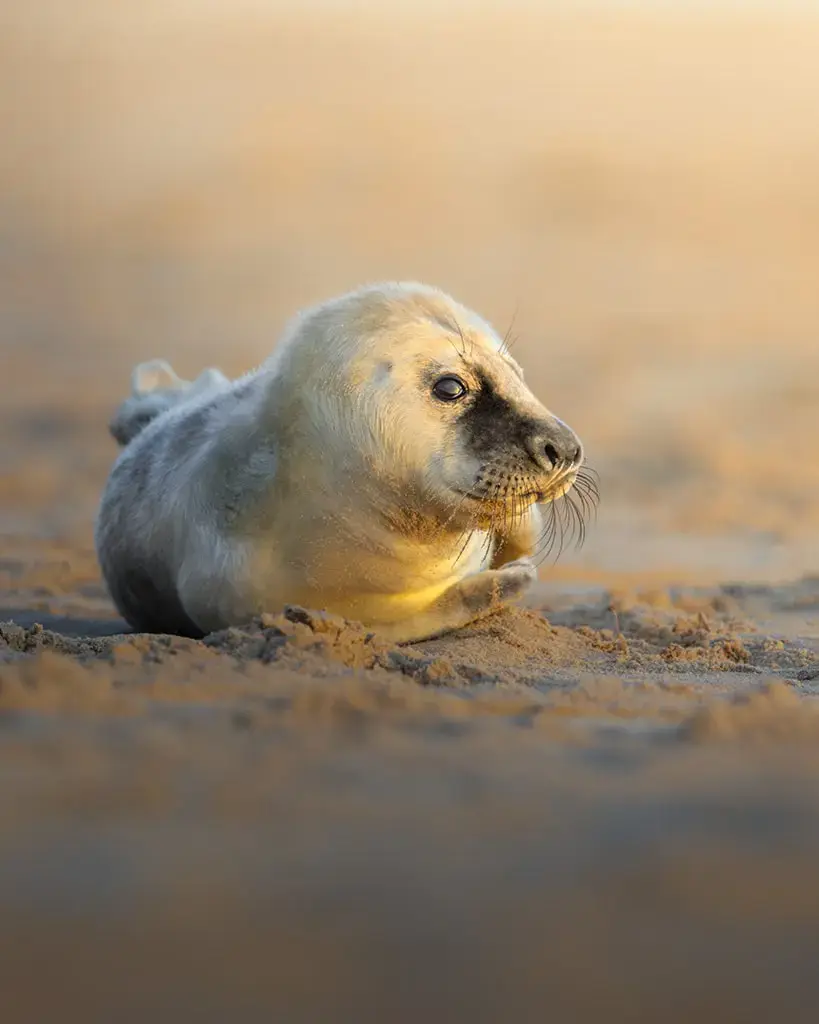
Winter along Norfolk’s coast brings the magic of newborn grey seal pups. Photograph intimate, up-close wildlife moments in natural light as these playful seals explore their world. Small groups and expert guidance ensure rich storytelling opportunities, blending coastal landscapes with heart-warming, fleeting encounters with new life.


Dates & Rates
Please note: Payments made as a bank transfer will benefit from a 2% discount - use the e-mail button above to receive availability and Bank Transfer details
Dates & Rates
Please note: Payments made as a bank transfer will benefit from a 2% discount - use the e-mail button below to receive availability and Bank Transfer details
from £725
per person sharing - please ask about single rates
Basic Itinerary
Day 1 - Arrival, Orientation & Coastal Recce
Day 2 - Seal Photography and the Norfolk Broads
Day 3 - Seals & post-processing
Day 4 - Seals & Group Breakfast
Want a more detailed itinerary?
What's Included
Lodging: Three nights in a well-appointed three-bedroom house within minutes of the seal colony
Food: All meals from arrival through departure (alcoholic beverages and specialty drinks not included)
Expert Instruction: Continuous guidance from professional wildlife photographer Victor Soares throughout the workshop
Technical and Creative Tuition: Comprehensive instruction covering camera technique, compositional approaches, animal behaviour, and ethical wildlife photography
House Amenities: Complete access to kitchen, lounge areas, editing spaces, and all facilities
Structured Editing Session: One formal workshop on processing coastal wildlife images, with reference materials provided
Broads Excursion: Boat-based photography session on the Norfolk Broads waterway system
Final Morning: Breakfast at Poppylands café on your departure day
What's Not Included
Transportation to and from Norfolk (flights, trains, vehicle hire)
Any accommodation before arrival or after departure
Travel insurance covering trip cancellation, medical needs, and emergency evacuation (strongly advised)
Equipment insurance protecting your camera gear (recommended)
Alcoholic beverages, wine with meals, specialty coffees, or other drinks beyond standard provisions
Any costs or services not explicitly listed above
What We Recommend
Photography Equipment:
Camera body with reliable autofocus
Telephoto zoom or prime in the 300mm–600mm range (ethical distances from wildlife require reach)
Adequate memory cards and multiple batteries
Tripod or beanbag depending on your working style (both have advantages on sand)
Weather protection for camera body if not fully sealed
Personal Necessities:
Winter Coastal Clothing: Wind-resistant outer layers, insulating mid-layers, moisture-wicking base layers appropriate for standing on winter beaches
Footwear: Waterproof boots or robust shoes that handle sand
Cold Weather Accessories: Warm hat, gloves that allow camera operation
Complete packing guidance with recommendations specific to forecasted conditions for your workshop dates is provided after booking confirmation.
Why Travel With Us To
Norfolk, England?
FOW's "Seal Pups Of Norfolk" |
Small groups allowing individual attention (max 3 guests) |
Built around optimal light and activity |
Professional wildlife photographer with extensive local colony experience |
Years of experience with specific colony locations, behaviour patterns, and seasonal timing |
Private house minutes from beaches, all meals prepared and included |
Norfolk Broads boat photography, structured editing workshop, departure breakfast included |
Multi-day immersion with repeated sessions across optimal conditions |
Key Differentiators:
This workshop pairs the wonder of witnessing wild births and early maternal bonds with practical instruction in coastal wildlife photography from an experienced photo guide having photographed in these areas for years.
The intimate setting, comfortable home base just minutes from the colony, and schedule built around light quality and animal behaviour ensures your time is spent photographing during optimal conditions rather than dealing with logistics or waiting through poor light.
Photographing Life's First Moments on England's Wild Coast
This workshop on Norfolk's windswept beaches is built around one of nature's most intimate events: grey seal pups being born and taking their first breaths on wild shores. The experience goes far beyond documenting wildlife. You'll develop the technical mastery and creative vision needed to capture fleeting moments between mothers and newborns, working with challenging coastal light and unpredictable conditions to create images that resonate emotionally.
The days are structured to develop:
Technical control over the unique challenges of beach photography in winter light
An understanding of seal behaviour that allows you to anticipate rather than react to moments
Compositional approaches that integrate dramatic coastal landscapes with intimate wildlife encounters
The ability to build visual stories across multiple images rather than hunting for single frames
Confidence working in demanding coastal conditions that translate to any shoreline photography situation
This is practical, hands-on learning in the field, supplemented by structured editing instruction that ensures the skills you develop continue serving your photography long after you return home.

Where England's Seals Come Ashore
Norfolk's beaches host one of Britain's most significant grey seal colonies. Each winter, hundreds of pups are born on these shores, their white coats stark against golden sand. These protected populations have rebounded remarkably, creating opportunities to witness and photograph behaviours that were once rare across British waters.
Why These Beaches Matter
The Norfolk coast provides something increasingly uncommon: accessible wild places where significant wildlife events unfold naturally, without human intervention or artificial staging. The beaches stretch for miles, backed by dunes and salt marshes, with the North Sea providing a constantly changing backdrop of light, weather, and surf conditions.
Photography here extends throughout the day. Winter's sun stays low, creating hours of warm, angled light during both morning and evening sessions. Pups are born throughout the season, meaning you'll encounter different stages of development, from hours-old newborns still wet from birth to older pups beginning to explore their territory. Mothers are attentive and protective, creating genuine moments of connection that require patience and understanding to photograph well.
We know these colonies intimately. Years of photographing here mean understanding where seals prefer to give birth, how tides affect access and behaviour, which beaches offer the best light at different times of day, and how to work around these protected animals without causing stress or disturbance. This local knowledge is the difference between arriving hopefully and positioning yourself where meaningful photography is most likely to happen.

Your Time With The Seals
Sessions are timed deliberately. You'll arrive during the golden hours when light quality peaks and seal activity intensifies. Morning sessions often begin in pre-dawn darkness, as the first light touches the colony. Evening sessions extend through sunset into the blue hour, when the last warm light fades and the day's energy shifts.
Physical demands are modest. Reaching the photography positions requires walking on sand, sometimes soft and uneven, but distances are measured in minutes rather than hours. You'll spend extended periods standing or kneeling while photographing, remaining still to avoid disturbing the animals. Cold is more of a factor than physical exertion, requiring appropriate clothing rather than fitness.
The approach is observational and patient. Seal photography cannot be rushed or forced. The best images emerge from understanding the animals' natural rhythms, positioning yourself thoughtfully, and allowing moments to develop organically. This measured pace, guided by someone who reads seal behaviour fluently, ensures you capture authentic interactions rather than mere documentation.
More Than Just The Pups
While seal pups anchor the photography, Norfolk's winter coast offers additional opportunities. The beaches themselves reward attention: patterns emerge in sand formations, driftwood, tidal lines, and foam. Storm systems bring dramatic skies and powerful surf. Calmer periods reveal details easily missed, the subtle textures of a coastal winter.
On one of the days, we take to the water and the Norfolk Broads. The Norfolk Broads session provides pleasant contrast. These protected waterways, inland from the coast, present a distinctly different landscape. From a boat, you'll photograph reed beds, winter birds, traditional windmills, and the particular quality of light on still water. It's a gentler environment than the exposed beaches, but equally photogenic and characteristic of the region.
Back at the house, the formal editing workshop provides structured learning beyond field technique. You'll work through processing approaches specific to coastal wildlife imagery, understanding how to handle the technical challenges of beach light, maintaining detail in white seal coats, managing colour casts from sand and water, and developing a consistent editing style. The content is designed to take home and apply to future work.
Who Should Join This Experience
This workshop is suited to photographers who want genuine wildlife encounters without remote logistics or extreme conditions. Accommodation is comfortable, beaches are easily accessible, and photography positions require no technical skills or high fitness. Patience, winter coastal weather tolerance, and an interest in authentic wildlife behaviour are essential.
Only basic fitness is needed. You’ll walk on beaches, stand for extended periods with camera gear, and occasionally kneel or crouch. Winter conditions are part of the experience, but warmth and shelter are always close by.
All experience levels are welcome. Beginners receive clear guidance on camera settings, composition, animal behaviour, and ethical practice, while experienced photographers focus on creative refinement and maximising seasonal opportunities.
What You'll Bring Back
Your portfolio will follow seal pups through their early weeks, from tiny newborns to curious, mobile youngsters. You’ll photograph mums and pups together, feeding and protective behaviour, life within the colony, and wider shots that place the seals in Norfolk’s dramatic coastal setting. Sunrise and sunset beaches, the Norfolk Broads, and the changing moods of a winter coast all add variety to your images.
You’ll also leave with solid, practical skills. This includes working comfortably on the coast, photographing wildlife without disturbing it, reading animal behaviour, handling tricky winter light, and keeping your kit safe in cold, wet conditions.
What often stays with people most, though, is the experience itself. Seeing a seal pup just hours old, and watching the bond between mother and pup on a wild beach, is something you don’t forget. Shared early starts, beach walks, relaxed meals, and evening image reviews create a friendly atmosphere and lasting connections with fellow photographers.
The House and Its Location
We stay in a comfortable three-bedroom house just a few minutes from the main seal beaches. It has everything you need for the workshop: a proper kitchen where we prepare group meals, a cosy lounge for image reviews and editing, real beds in proper bedrooms, and full bathroom facilities.
This isn’t camping or hostel-style accommodation. After each session, you come back to warmth, hot food, and a relaxed space to download, back up, and review your images. The location is close enough for easy beach access, but quiet and comfortable enough to properly rest between shoots.
How Days Unfold
Days are planned around the light and the seals, not the clock. Sunrise sessions mean early starts, getting to the beach before first light. After the morning shoot, we head back for breakfast and a rest. Late morning or midday may be used for the editing workshop, a boat trip, or some downtime to relax and go through your images.
We head out again in the afternoon as the light improves, often staying through sunset and sometimes into the evening if the seals and conditions are right. After dinner, we review the day’s photography together, answer technical questions, share feedback, and plan the next day based on the weather, tides, and seal activity.
The editing workshop is scheduled when it fits best around conditions. It’s practical and focused on coastal wildlife photography, with guidance you can use long after the workshop ends. The flexible approach means we’re out shooting when it matters most, rather than sticking to a rigid timetable.
Coastal Realities
Norfolk’s winter beaches can be changeable. Temperatures usually sit just above freezing up to around 10°C. Wind is common and can be strong, with rain, fast-moving clouds, occasional frost, and quickly shifting weather. These conditions need a bit of preparation, but they often lead to the most dramatic and rewarding images.
We photograph in most weather. Seals carry on regardless, and some of the strongest images come from tougher conditions. If the weather becomes severe, plans may change, with more time spent indoors on editing and technical discussions. Safety and the welfare of the seals always come first.
Beach photography brings its own challenges. Sand gets everywhere, salt spray can affect camera gear, and wind makes tripods less stable and lens changes tricky. Light can change quickly as clouds move through, so settings often need adjusting. All of this is covered during the workshop, with practical advice to help you manage coastal conditions with confidence.