

Wildlife populations are down 73%

by Victor Soares
Wildlife populations are down 73%
Wildlife populations are down 73%, but the Living Planet Report also brings hope
So what does the Living Planet Report 2026 means for those of us who love nature and wildlife?
What the number actually means
The report finds that monitored wildlife populations have shrunk by an average of 73% between 1970 and 2022. But be careful: that doesn't mean that 73% of all animals have vanished. It describes the average change in the size of the populations scientists have tracked, drawing on more than 35,000 population trends covering nearly 5,800 vertebrate species.

Where the losses are greatest
Life in freshwater has fared worst. Rivers, lakes and wetlands show a fall of 85%, compared with 69% on land and 59% in the sea. Latin America and the Caribbean have seen the steepest decline. Followed by Africa and Asia-Pacific. While Europe and North America look better on paper, much of the damage there happened before the records began.
Why?
As expected, habitat loss is the threat most often reported, followed by overexploitation, climate change, pollution, invasive species and disease. Also of note and huge concern, the report points to how we produce food, generate energy and direct our money - so as humans, living our day-to-day, we have a massive impact.
There is also some good news
Around half of the populations in the dataset are stable or increasing, and the report highlights recoveries among tigers, green turtles, bluefin tuna and southern African elephants.
It also argues that conservation alone isn't enough. It points to the idea of "positive tipping points", where change reaches a point at which it becomes self-reinforcing. Solar power is already the cheapest new source of electricity in most countries, farming is showing early signs of a shift ... so, there IS hope!

Why it matters to us as photographers
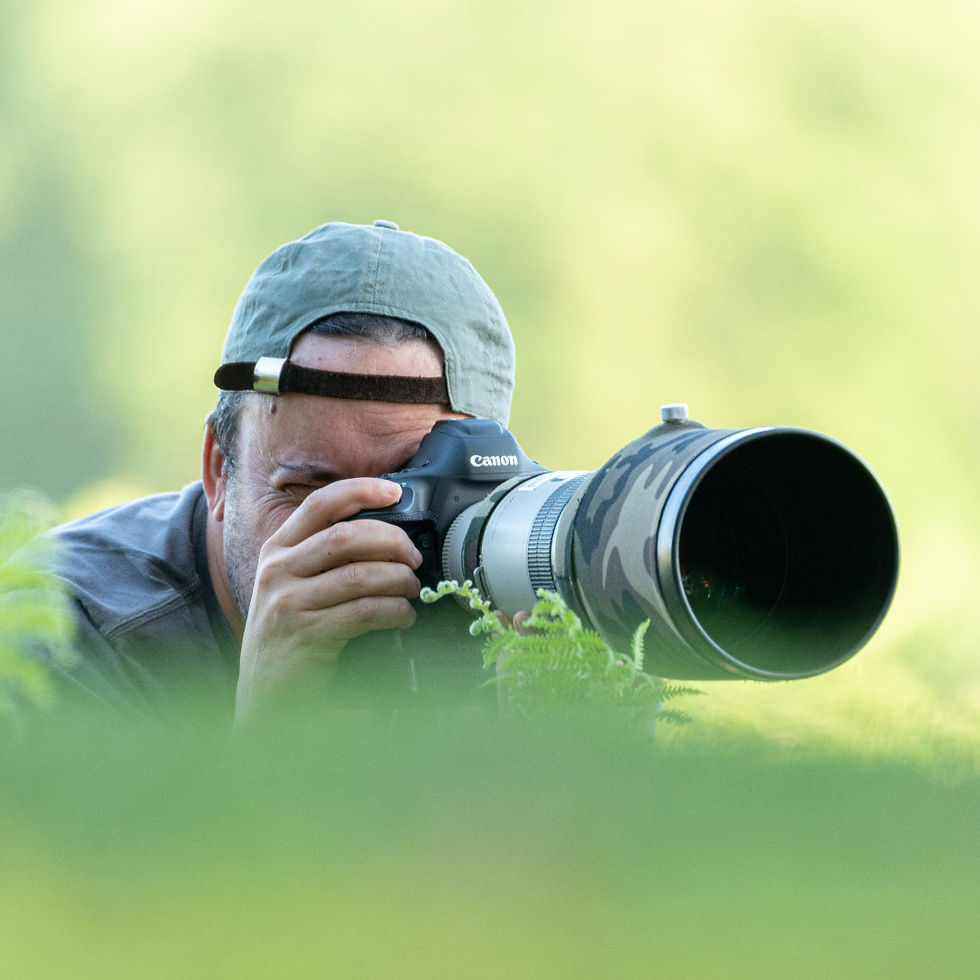
Every wildlife encounter we have, from a stag in the autumn mist to a puffin with a beak full of sand eels, is a reminder of what's at stake. Photography can help people connect with nature, and that connection can lead them to care and then to act.
My favourite quote from Sir David Attenborough rings true during every encounter:
“No one will protect what they don't care about; and no one will care about what they have never experiened”
When we make everyone feel part of nature, nature has a chance. We can't be exclusive, and we can't be greedy. We can't assume we know better, or that wildlife is only for the few. It's for all of us, and we need to make everyone feel part of it. Photography plays a huge part in making that happen.
Source: WWF Living Planet Report 2026 (published 7 October 2026).
Download the full report here: (note: large file so make some time to download)
Where We Go

Where We Go


Wildlife