

by Victor Soares
Make Your Subject Pop
Make Your Subject Pop
Getting a decent shot is one thing. Getting a shot where your subject leaps off the screen and demands attention — well, that's what we're all really after, isn't it. The good news is that a few simple techniques can make an enormous difference, and none of them require you to go out and spend a fortune on expensive new kit.
Get Down Low
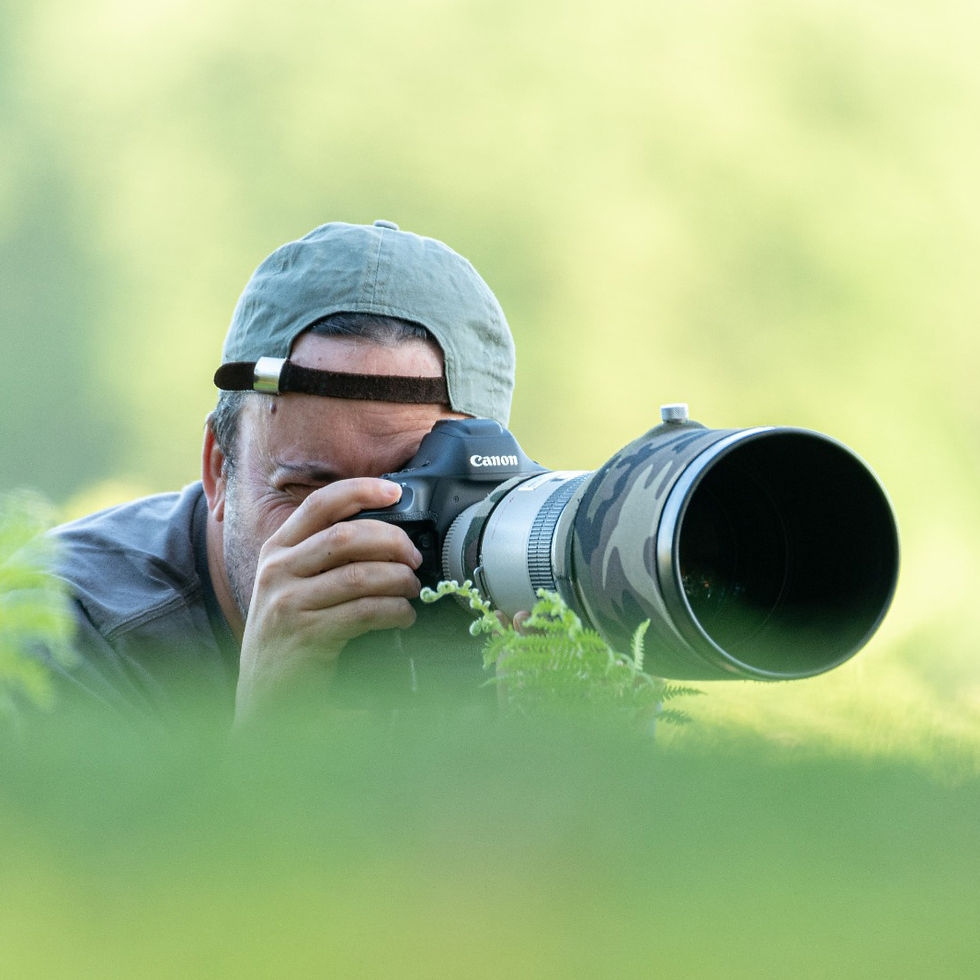
I have mentioned this to pretty much everyone I come across, and although it sounds almost too simple to be worth saying, changing where you're standing (or kneeling, or lying flat on the ground like a complete weirdo in a muddy field) can completely transform an image. Shooting from eye level is what most of us default to, because it's comfortable and it's easy, but it's rarely the most interesting angle you've got available to you. Get yourself down to the level of your subject and suddenly everything shifts. The background changes, the perspective opens up in a way you didn't expect, and your subject feels more immediate and alive, like it's actually part of the world rather than just sitting on top of it.

This American Dipper photographed from ground level looks like a completely different animal to one shot from standing height. From down low, it's imposing, dramatic, full of presence. From standing height, it's just a small blue-ish bird lost amongst the rocks in a river. Getting down puts the viewer right there in the scene alongside the animal, and that sense of connection is what separates a snapshot from a proper photograph. It's free, it takes about three seconds, and it works every single time. Your knees and your dirty clothes might not thank you for it, but your photos will.
Use a Telephoto Lens
A long lens does two brilliant things at once, which is always a good deal. It lets you keep a respectful distance from your subject, which is absolutely essential when you're working with wildlife, since the last thing you want is to stress an animal out just to get a picture of it. But on top of that, it compresses the background into a smooth, uncluttered blur that draws the eye straight to your subject without anything else getting in the way.

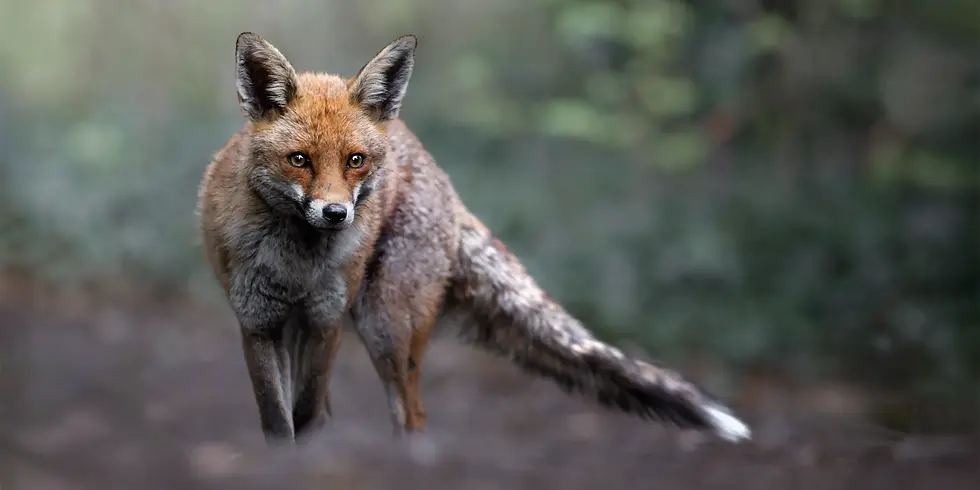
That soft, out of focus backdrop is what photographers call bokeh, and it's one of the most effective tools you've got for making a subject really stand out. The longer the lens, the more pronounced the effect becomes. A 400mm or 500mm lens on a bright day can reduce a busy, messy background into something that looks like a painted canvas, and suddenly your subject is the only thing in the frame that matters. It strips away the noise, removes the distractions, and directs the viewer's eye exactly where you want it to go. If you've ever looked at a wildlife photograph and thought "how on earth did they get that", there's a very good chance a long lens was doing a lot of the heavy lifting.
Dodge and Burn
Now, the first two tips are very much about getting things right in camera, out in the field, in the moment. This one is a bit different, because it happens afterwards in post processing. But don't let that put you off, because it's one of the oldest tricks in the book and it's been around far longer than Lightroom or Photoshop ever have been.
Dodging and burning is borrowed straight from the darkroom days of traditional film photography, when photographers would use their hands or bits of card to control how much light hit the paper during printing. Dodging means selectively lightening parts of an image, and burning means darkening them. Used together, they let you gently guide the viewer's eye around the frame, nudging them towards your subject and steering them away from anything that's competing for attention.

In practice it might look something like this. You brighten up the face of a fox, just a touch, to bring it forward in the image. Then you deepen the shadows in the folds and fur of the animal, where you expect there to be shadows. In essence you are making these more obvious. And then you stand back and look at the whole thing and realise the image has come together in a way it simply hadn't before. It's a subtle art, and it doesn't take much. Even a very light touch can give a photograph real depth and drama and that elusive quality that makes your subject genuinely pop off the screen.
Put all three of these together and you've got a seriously powerful toolkit, and you haven't even had to think about touching your camera settings yet. powerful toolkit, before you've even thought about changing your camera settings.
Travel With Us

Travel With Us


Photography